The Iberian blackout in brief
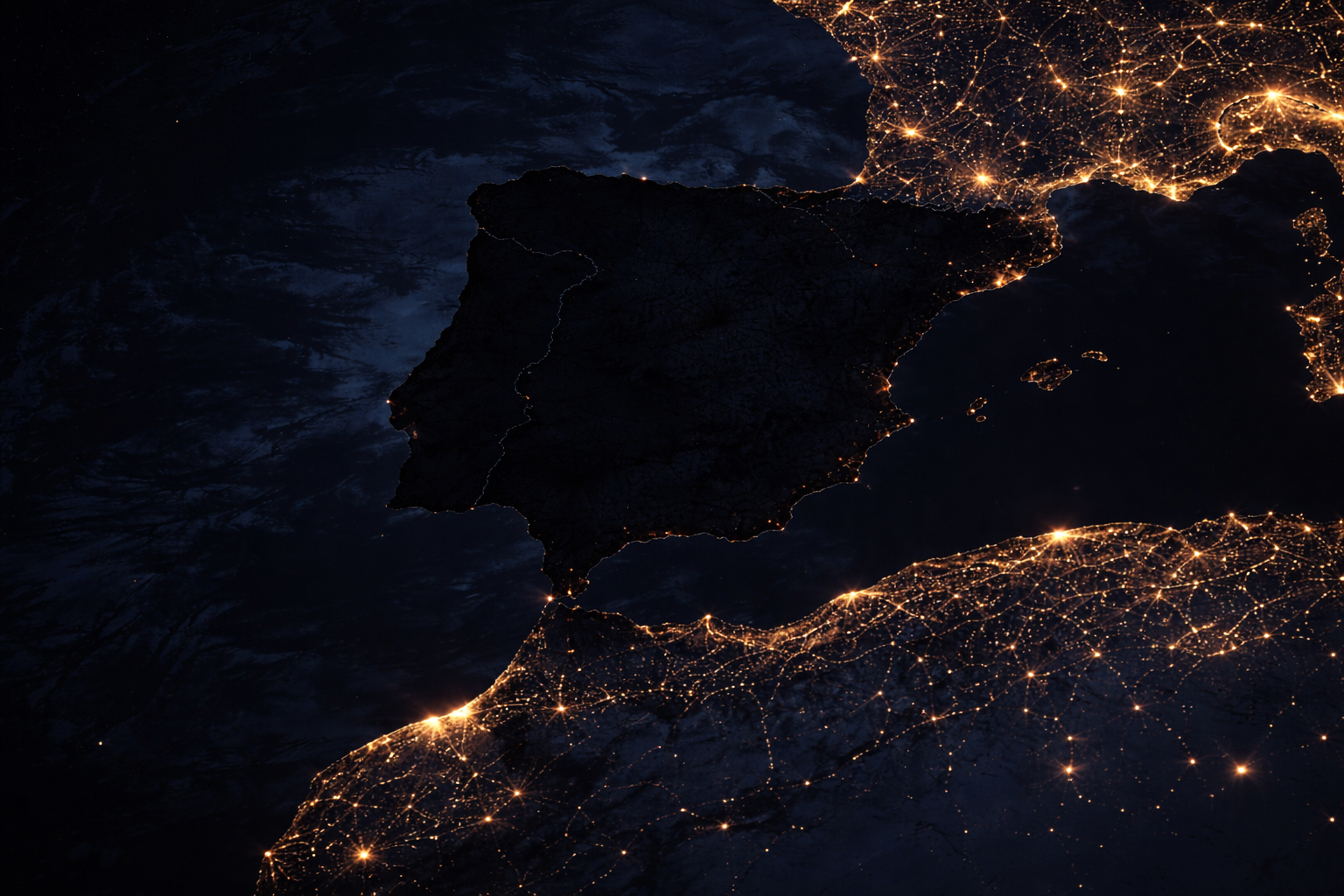
Our neighbors lost 60% of demand (15 GW) in a matter of seconds. A sudden imbalance, followed by a domino effect all the way to the blackout.
What caused the power outage?
The main origin of the massive blackout that hit the Iberian Peninsula two months ago lies in an uncontrolled overvoltage on the grid, combined with the failure of peaking plants meant to help stabilize the frequency around 50 Hz when grid voltage drops or rises. For the grid to work properly, it must permanently maintain this balance between supply and demand. Any major variation, in particular a sudden drop in consumption or an excessive injection of energy, causes frequency imbalances.
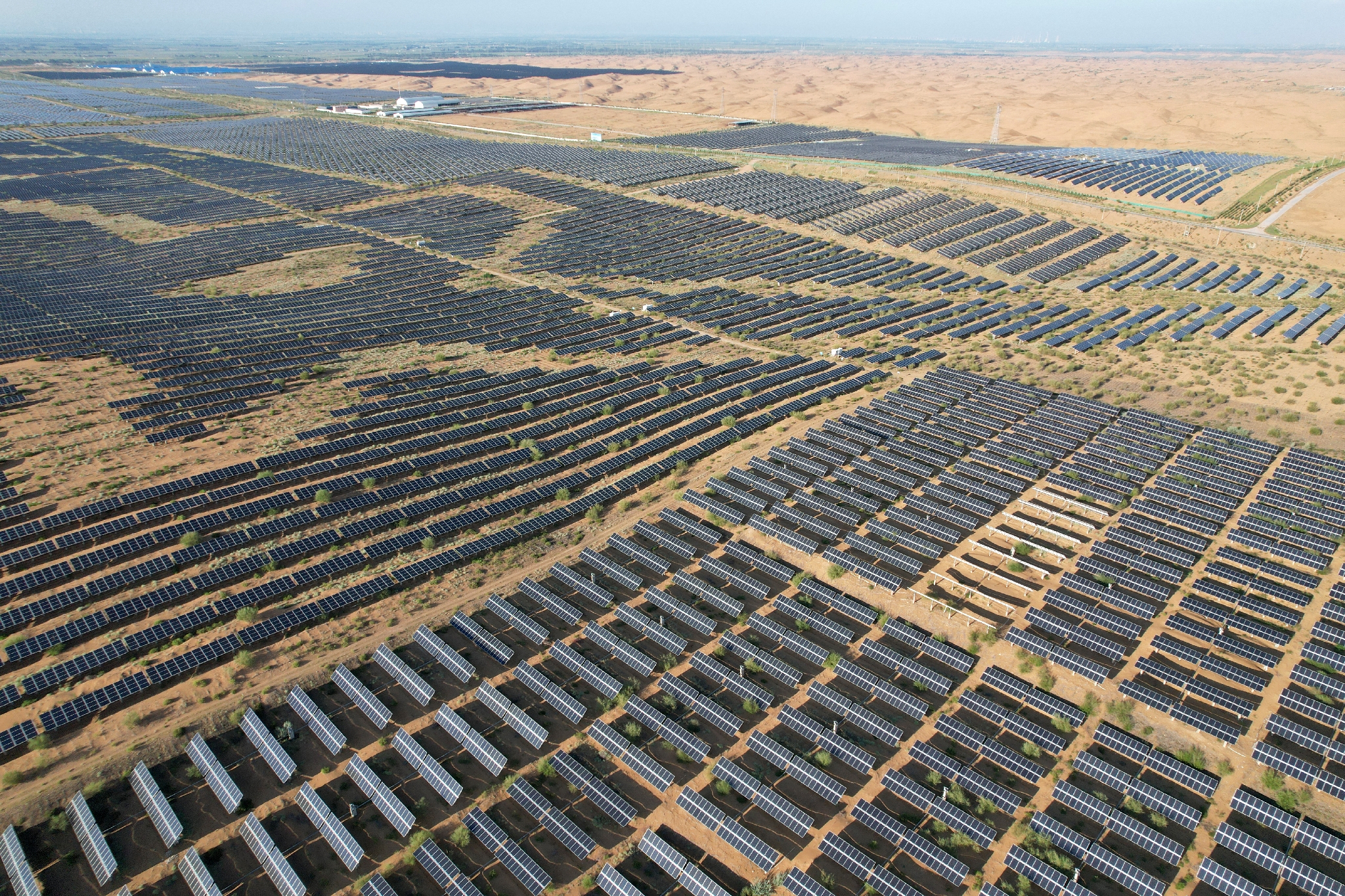
In Spain's case, the situation was made worse by the grid's failure to adapt to the rapid rise of intermittent renewables (solar and wind) in the electricity mix over several years. Spain thus found itself with abundant renewable production but without the tools needed to manage the sharp voltage and frequency fluctuations this creates. Thermal plants, which traditionally play this “buffer” role, were neither sufficiently available nor properly mobilized to step in on time.
How do power grids handle electricity losses?
To avoid such outages, grid operators such as RTE in France or Red Eléctrica de España (REE) use a range of tools. One of them is capacity reserve, a margin of generation available at all times to offset a sudden imbalance.
More precisely:
FCR (frequency containment reserve), or primary reserve, absorbs the immediate shock.
aFRR (automatic frequency restoration reserve), or secondary reserve, and mFRR (manual frequency restoration reserve) restore the frequency and bring the grid back to balance.
Flexibility as a solution to falling grid inertia caused by renewables
One of the challenges posed by renewable energy is the loss of grid inertia. Unlike the rotating machines of conventional plants (coal, gas, nuclear), renewable installations (wind turbines, solar panels) are often connected through electronic converters that provide no natural inertia. Yet inertia is essential to dampen sudden frequency variations.
In this context, electrical flexibility becomes a key complementary solution. It consists of adjusting consumption in real time to rebalance the system. When there is excess production, some equipment can consume more (for example, temporarily overheating water), and conversely, when the grid is under strain, non-priority loads can be temporarily switched off. This responsiveness helps stabilize the frequency without resorting to additional generation such as peaking thermal plants.
What conclusions can be drawn?
The blackout shows that a grid heavily dependent on intermittent energy needs sophisticated stabilization tools, fast storage, and stronger European interconnections.