In September, the CRE published a note on the economics of the French power system. One section covers price dispersion in 2025: 1,807 hours above €100/MWh, versus an average of 606 over 2010-2020, and 513 hours at negative prices, versus 179.
We went back over French day-ahead prices, hour by hour since 2015, to look at two things the note does not cover.
A daily price spread that is exploding
First, the daily spread: the gap between prices within a single day. In 2015, the spread stayed below €50/MWh on 96% of the days of the year. In 2025, that was true for only 11% of days. On a median day, it went from €27 to €88/MWh.
The price trough is sliding toward midday
Next, the hour at which this trough occurs. In 2015, the cheapest hour of the day fell between 11 a.m. and 4 p.m. on 3% of days. In 2025, on 65%.
2026 amplifies these trends. Like for like, from January 1 to September 15, the median daily spread went from €93/MWh in 2025 to €125 in 2026. Hours above €100/MWh went from 25% to 39%, and negative-price hours from 7.8% to 8.9%.
Solar and wind, drivers of change
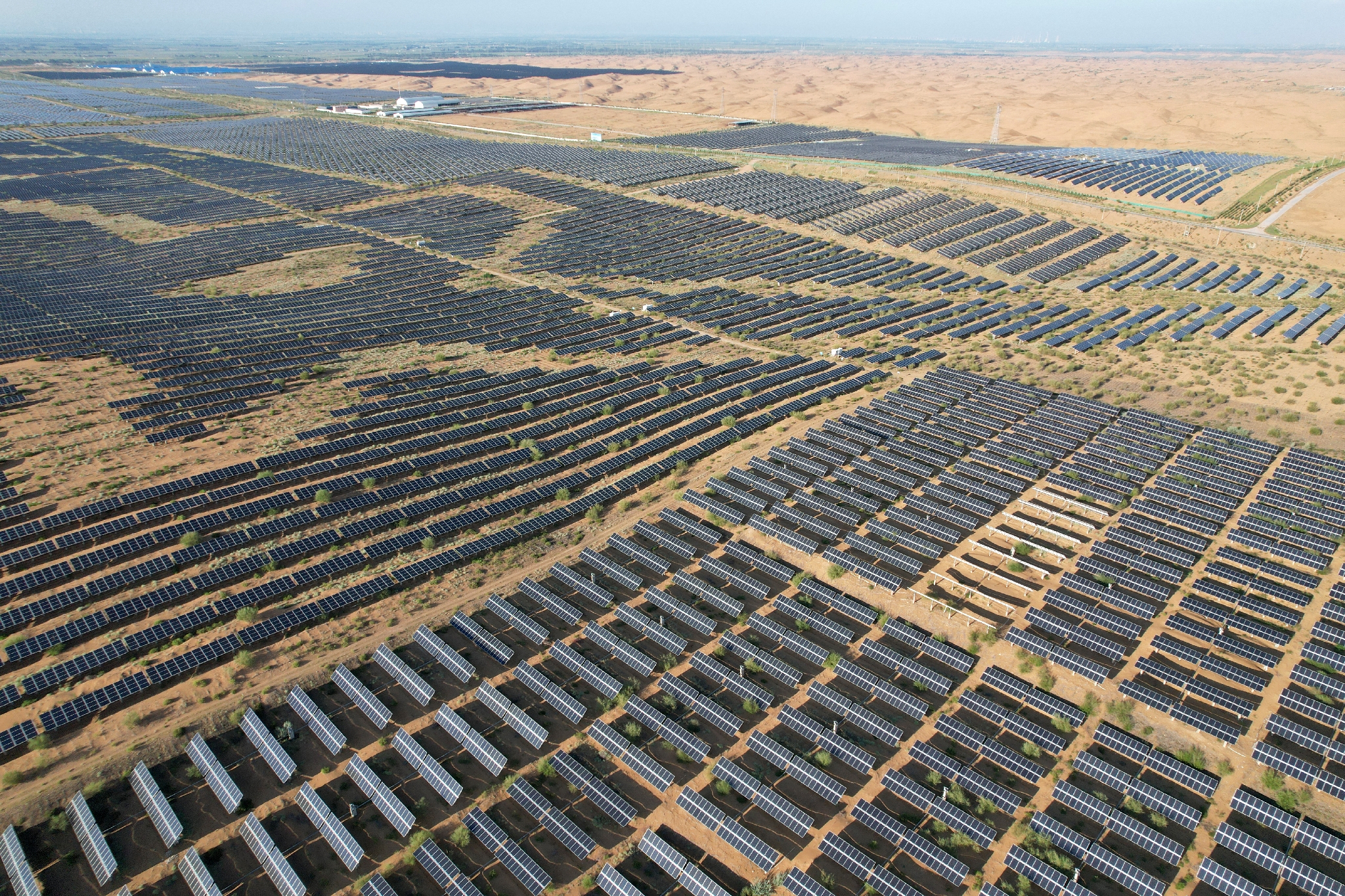
This shift follows the generation fleet. Solar and wind went from 5% of French production in 2015 to 15% in 2025, and the CRE notes that they now account for 34% of installed capacity. Total production, meanwhile, has not moved: around 545 TWh per year.
Turning volatility into opportunity
A building whose equipment always runs at the same hours captures none of this spread. At Orus Energy, we coordinate the HVAC, EV charging stations, photovoltaics and batteries already installed, and activate them when the market pays for it, with no impact on comfort or operations.